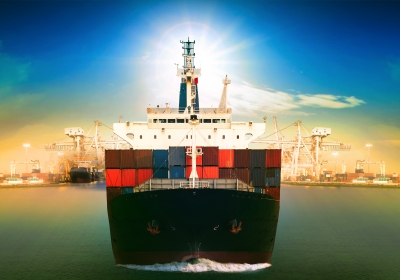
The Indonesian government said the country is on a shipbuilding spree as as part of a national drive toward ambitions to become a global maritime hub.
Minister of Transport Ignatius Jonan said the country has built 200 ships over a period of one year as part of the government’s program to make Indonesia the world’s maritime axis.
“In one year, we have built 200 ships,” Jonan said recently, in a report by state-run Antara News.
The 200 ships include patrol boats, pioneer ships, and other vessels that are required in the development of the maritime axis.
Jonan said that the maritime axis program has been running since the start of the administration of President Joko Widodo, but added that its progress could not be assessed for now as many projects still need to be completed.
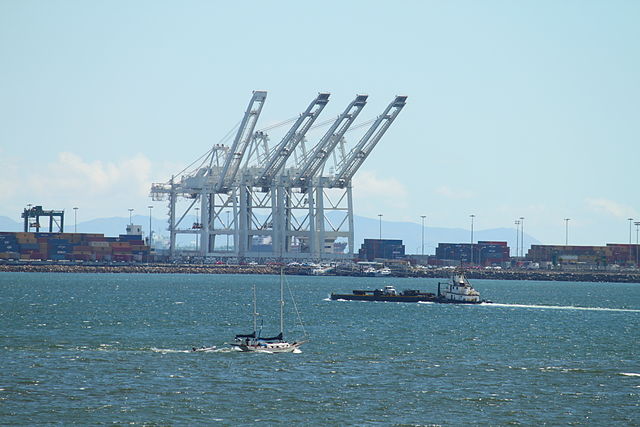
“We are developing 1,241 ports. There are ports to be rebuilt and repaired, and some of the small ports are being built,” he said.
Of the total, 112 are commercial ports managed by state-controlled Pelindo (Indonesian Port Corporation), while the others are managed by the Ministry of Transportation.
“I have not had time to visit all the ports. It takes at least two years to examine them one by one. But the most important part is the construction and development of the ports which is under supervision and control,” Jonan said.
As for developing the country’s airports, the government is focusing on improving and extending the runways, he said.
“All the runways at all airports in Indonesia will be extended, at least by 2,000 meters, in order to accommodate jet engine (aircraft),” he said.
Maersk’s investment plans
In related news, Maersk’s reported plan to invest US$3 billion over the next five years in expanding its logistics business in Indonesia is being blocked by the country’s shipping law, according to State-Owned Enterprise Minister Rini Soemarno.
Maersk has expressed interest to transports goods within the country’s waters in order to reduce logistics costs, but it balks at the law that requires majority shareholders to be locals, said Rini in a new report by The Jakarta Globe. He said the Danish box liner, the world’s largest, “wanted to be the majority.”
The government is now revising a list that protects certain businesses from foreign control in order to attract more investments as part of efforts to boost the economy. But Rini did not reveal whether the shipping sector would be liberalized, said the report.
Photo: Yogwi21