 A.P. Moller-Maersk forecasts that slow-steaming as a way to cut fuel costs will likely become a trend following the results of its study showing that the practice doesn’t harm engines.
Maersk, the world’s largest owner of container ships, said its vessels have not been adversely affected since they started slow-steaming in 2007.
It added that other ship owners will likely follow their lead and sail on lower speeds because of its benefits, including fuel savings, and reduced operating expenses because of less maintenance and less pressure on the engines.
The most economical speed for container ships is from 10 to 15 knots instead of the standard 25 knots, the company said.
Problems related to slowing, such as soot buildup, vibrations and propeller conditioning, have been solved by the company, it added. The Denmark-based shipping conglomerate said it is sharing its findings to show other carriers how they can overcame technical concerns over reduced speeds.
The company said its data apply to ships powered by two-stroke engines, which are common for tankers, container ships, and bulk carriers.
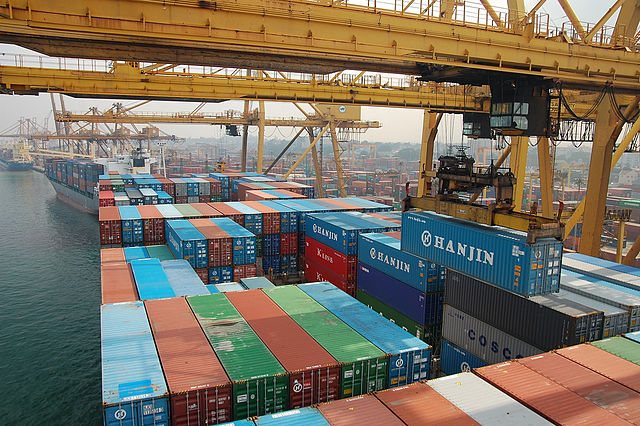
Photo by Aah-Yeah