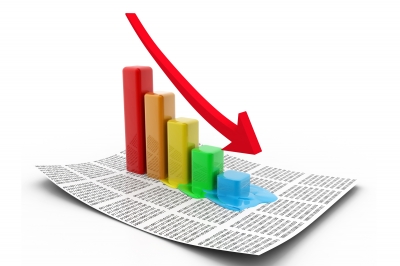

 The Philippines’ manufacturing output declined in May, a first for 2016, owing to a significant drop in leather, chemical, and petroleum products production, according to the National Economic and Development Authority (NEDA).
In the Philippine Statistics Authority’s Monthly Integrated Survey of Selected Industries for May 2016, the Volume of Production Index (VoPI) declined 1.2%, close to the 1.1% decline in the same period last year.
Similarly, the Value of Production Index (VaPI) declined 4.9%, although slower than last year’s 8% reduction.
“This drop in manufacturing production is the first for 2016. As business sentiment remains optimistic and supported by stable consumer confidence, industrial output is expected to improve towards the end of the second quarter,” Socioeconomic Planning Secretary Ernesto M. Pernia said in a statement.
He added that the manufacturing sector is expected to benefit from the economic agenda of the current administration, particularly on increasing competitiveness, easing business processes, accelerating infrastructure spending, and attracting foreign direct investment.
High levels of inventories in leather goods, drugs, and medicines posted at the beginning of the year continue to meet the demand for these products, resulting in a production slowdown.
Likewise, the volume and value of production in petroleum continued to decline, but at a slower pace due to higher demand for diesel from Europe and lower supply of oil from the US.
Pernia warned, however, that subdued global economic prospects, weaker-than-expected economic performance of major trading partners, and weather shocks such as La Niña and typhoons remain risks to the manufacturing sector’s growth.
“The provision of adequate, sustainable and reliable infrastructure must be accelerated, and the capacity of MSMEs must be further enhanced by strengthened linkages with large corporations and through knowledge and technology transfer,” he said.
“Public and private investments in research and development activities must be encouraged. Engagement in high-technology endeavors, as well as attracting foreign direct investments, will be influential to paving the way for the much needed blossoming of high-tech manufacturing sub-sectors in the country,” Pernia added.
Image courtesy of bugphai at FreeDigitalPhotos.net