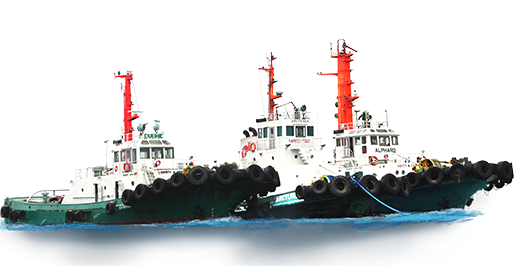
OIL tugs and barges will now have to first secure and pay for a bulk cargo survey before a shipside permit is issued them by the Philipine Bureau of Customs (BOC).
The shipside permit allows tugs and barges to dock alongside vessels for anchorage cargo shipments.
Local tug and barge operators are unhappy over the new regulation because it means additional financial burden on their part for a service that has already been paid for by importers in the first place, a PortCalls source said.
The source, who requested anonymity, pointed out that importers of bulk and breakbulk shipments, including oil, already pay a cargo survey fee to BOC-accredited surveyors before their shipments enter Philippine ports.
Cargo surveying of bulk and break-bulk cargo involves inspection, analysis and computation of bulk or breakbulk cargo at the port of loading. The survey’s main purpose is to verify shipment quantity and quality in relation to goods specifications agreed upon between the buyer and the seller.
For tug and barge operators to pay another cargo survey fee would constitute double charging, the PortCalls source said.
The new BOC regulation is meant to tighten the noose on oil smugglers.
Oil smuggling in the Philippines costs government about P60 billion in foregone taxes annually.
To curb smuggling, the BOC and the Department of Energy earlier planned to maximize the use of markers to determine which types of imported fuel have been cleared for entry into the Philippines.
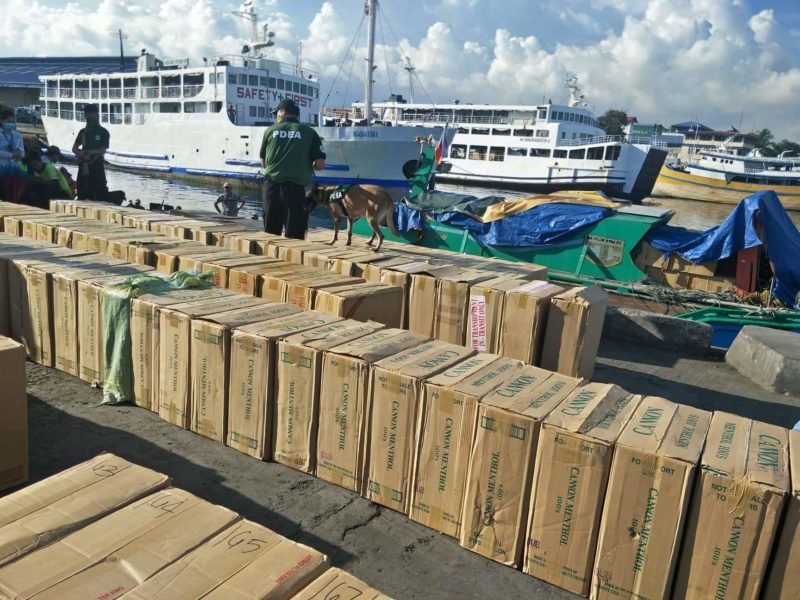
Two months ago, BOC also began requiring local shipping lines servicing the North Harbor to produce a copy of the transit cargo manifest and domestic cargo manifest in a bid to stem smuggling.
The decision has turned controversial with carriers claiming domestic cargoes coming out of the North Harbor are in effect now treated as foreign cargo needing clearance from the BOC.
There are also allegations of payment of “facilitation fee” just to expedite cargo clearance.
The lines have asked BOC to simply secure such documents from the Philippine Ports Authority (PPA), a provision spelled out under Executive Order 493. The EO decreed that “coasting and passenger manifests required for all domestic vessels shall be reduced to three copies, instead of seven, and shall henceforth be submitted to the PPA. All agencies concerned requiring copies of said manifests for their own use shall secure the same from PPA.”