

The Bureau of Customs’ (BOC) fuel marking system is expected to start by the last quarter of this year, following bidding for establishment of the system, according to Customs Commissioner Isidro Lapeña in a press briefing on July 11.
The Procurement Service (PS) of the Department of Budget Management, which undertakes the bidding for BOC, has shortlisted two eligible consultants after starting the bidding process last month. These are the joint venture of Swiss-based SICPA SA and SGS Philippines, and Texas-based Authentix, Inc., PS Bids and Awards Committee VIII chair Engr. Jaime Navarrete, Jr. said in a June 28, 2018 notice.
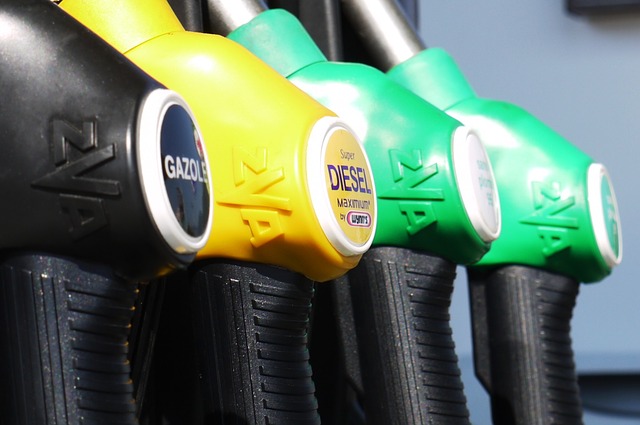
The winning bidder will establish and operate a fuel marking system that shall supply and inject fuel markers on all taxable fuel products except Jet A-1, Avgas, crude oil, and liquefied petroleum gas.
It will also implement and manage a nationwide fuel testing program, including fuel analysis and data management, and provide the training to ensure transfer of technology to the BOC and Bureau of Internal Revenue.
Lapeña said some BOC officers have studied the system–expected to help control fuel smuggling–and are ready to use the fuel marking equipment once the system is launched later this year.
Marking of petroleum products, whether imported or manufactured in the Philippines, becomes mandatory five years after passage of the Tax Reform for Acceleration and Inclusion (TRAIN) Law. TRAIN took effect on January 2018.
Under the new law, the government shall engage only one fuel marking service provider supervised and directed by the BIR and BOC commissioners.
“All costs pertaining to the procurement of the official fuel markers shall be borne by the refiner, manufacturer or importer of petroleum products as the case may be,” according to TRAIN.
The government may subsidize the cost of official fuel markers in the first year of implementation.
The Department of Finance, BOC and BIR’s mother agency, has estimated revenue losses (value-added tax and excise taxes) from smuggled or misdeclared fuel at P26.87 billion (about US$565.68 million) in 2016 alone.
The Asian Development Bank has pegged losses at a higher figure of P37.5 billion annually, while a study commissioned by the local oil industry places losses at an even higher P43.8 billion per year.
The Institute for Development and Econometric Analysis has estimated that “smuggled gasoline accounts for an average of 23% of gasoline consumption from 2000 to 2006,” while “smuggled diesel accounts for an average of 6%.”