 Addressing the Philippines’ aviation problems should be included in the proposed measure on emergency traffic powers, as the Duterte administration cannot effectively solve the traffic crisis in Metro Manila by focusing solely on land congestion, according to Quezon City Representative Winston Castelo.
Castelo made the suggestion as he stressed the need for an “integrated and holistic approach to the traffic problem.”
The Lower House’s Committee on Transportation (COTr), which handles bills filed on emergency powers, has recently announced it is crafting a substitute bill to grant the President emergency powers over traffic problems in Metro Manila and other congested areas in the country.
The bill though will be limited to traffic and land transportation problems in Metro Manila and nearby areas, Metro Cebu, and Davao City. On the other hand, the Department of Transportation’s (DOTr) list of projects covered by the emergency powers extends to aviation and maritime transportation.
“We need a complete and comprehensive transportation plan that covers land, air, and water,” Castelo said in a statement.
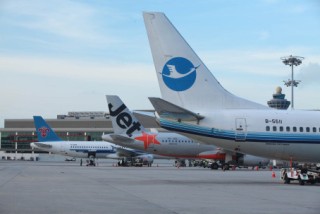
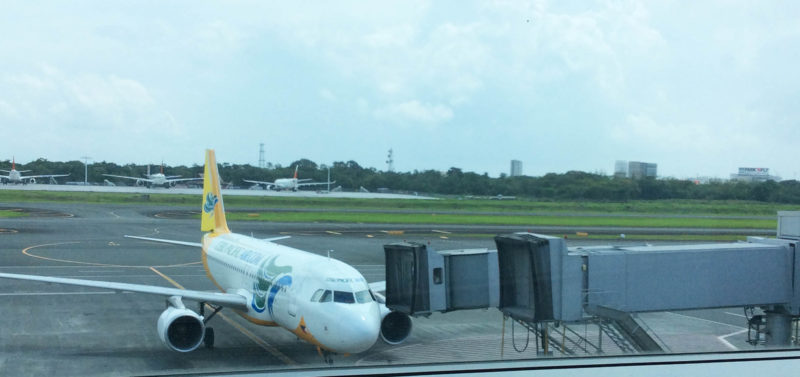
“Metro Manila’s traffic woes are just a manifestation of the decades of government’s neglect of the country’s transport infrastructure requirements,” the lawmaker added, pointing out that the failure of past administrations to construct regional airports and expand the Ninoy Aquino International Airport (NAIA) has caused air traffic congestion that has spilled over to road traffic.
Castelo, who chairs the Lower House Committee on Metro Manila Development, added that air traffic causes delays in take-off and landing that create huge economic losses and international embarrassment for the country.
“Also, NAIA has always been listed among the worst airports in the world, which not only embarrasses Filipinos but more importantly discourages tourists and investors from coming to the country,” he added.
NAIA topped the list of worst airports from 2011 to 2013 before sliding down to fourth spot in 2014. The latest survey tagged NAIA as the fifth worst airport in Asia, a decline from being eighth in 2015.
Castelo noted that the improvement and expansion of the NAIA tarmac and apron was delayed in the past administration.
“We need to speed this up to improve not only air traffic but also aviation safety,” he pointed out.
Meantime, regional airports could have boosted the dispersal of economic activity to the provinces and decongested Metro Manila, if the past administration had not delayed and even totally shelved their construction, he said.
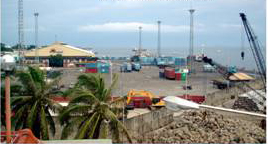
Castelo had earlier called on the DOTr to make a plan to optimize the use of international ports in Subic and Batangas to reduce the volume of cargo in Manila’s ports and cut the number of trucks plying the metropolis’s roads.
Image courtesy of nitinut at FreeDigitalPhotos.net