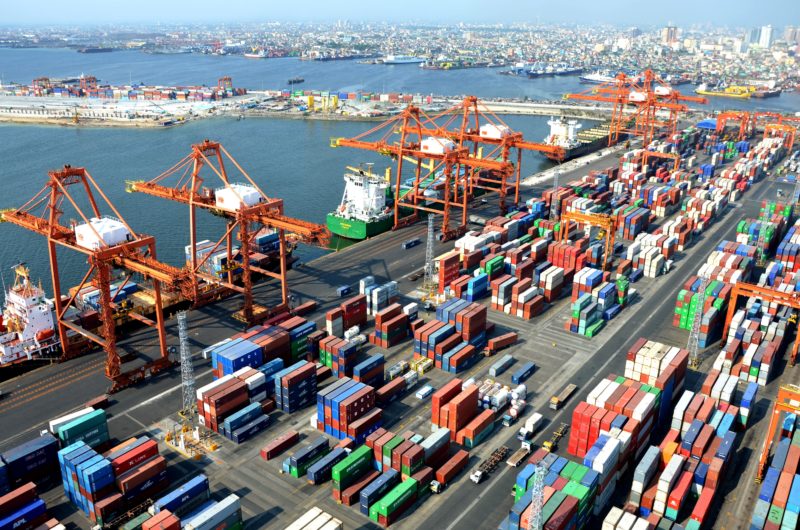

 Samudera Indonesia, an Indonesia cargo transportation and logistics company serving local and international clients, plans to allocate $89.6 million for business investments that include acquiring new ships this year.
Part of the funding will also go to the improvement of support facilities at seaports, according to a news report from Jakarta Globe.
Samudera plans to allot 25 percent of its capital expenditure for the purchase of three secondhand container ships this year, one of which is set to be delivered soon, a company official said.
Much of the balance will be used to to upgrade its support facilities and offices at various seaports across the country.
The company is reportedly securing bank loans to finance its investment plans as it forecasts its cargo business to grow by 10 percent this year.
Samudera and other Indonesian shipping lines are seeking to expand their businesses as the country’s economy continues to post strong growth. The government sees an economic growth of 6.5 percent this year.
The Indonesian National Shipowners Association predicts sea freight cargo handled by domestic companies to reach one billion tons by 2015.
Photo courtesy of Samudera Indonesia