 Rating agency Standard & Poor’s forecasts that global container shipping will continue to face difficult operating conditions over the coming year, characterized by fragile demand and chronic structural oversupply in the industry.
In a new industry report, the agency said the box liners it rates could face a downgrade this year as the sector faces the possibility of a sharper slowdown in Chinese economic growth, a sudden rebound in oil prices, and a more extensive ordering of new ships.
The agency said it believes ship operators will continue to face structural and chronic oversupply in their markets because of the large global fleet presently in the water, which is a result of deliveries of new ships that were ordered years ago when prospects were more promising; the continued race, particularly between container lines, for larger and more efficient vessels; and poor supply discipline among ship owners in general.
It said the current trend of container liners experiencing intensifying freight-rate volatility and downward pressure on the primary and secondary routes is expected to continue into the next year.
Presently, overly large container ship fleets are chasing too few cargo volumes, a trend that the agency thinks will continue in 2016. Furthermore, the fading demand due to reduced growth from developing countries, such as China, that import a large share of internationally traded commodities, is restraining ship utilization and charter rates from recovery, it continued.
“The container shipping lines’ efforts to sustain periodic general freight rate increases are generally failing in an environment of low bunker prices and rapid deliveries of ultra-large containerships, which we expect will deepen persistent oversupply problems. Furthermore, the recent contraction of exports from Asia to Europe (attributed to slack demand in Europe) and slowed intra-Asian trades, will likely exacerbate the already strained situation in the container liner sector.”
But the report also has a few uplifting words for the industry: “On a positive note, cost pressures have eased sustainably following the drop in bunker prices–bunker fuel is a container liner’s major cost item. An industry-wide effort to cut operating costs should help to better withstand the clear headwinds the industry will face in the next 12 months.”
Given the high likelihood that the supply-and-demand imbalance will continue in 2016 as newbuildings continue to stimulate overcapacity, “disciplined capacity management by the largest players, in particular, remains critical to industry profitability,” said the report, adding that capacity reductions by major liner alliances carried out in the past few months were a step in the right direction.
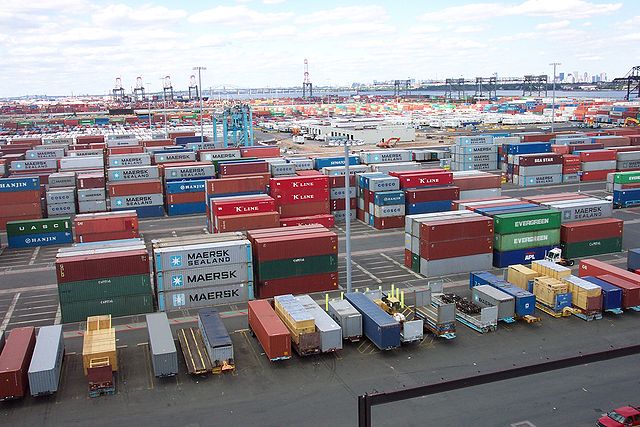
Photo: Shipping Containers