 Thailand’s logistics sector stands to benefit from the country’s ambitious plans to become a prominent player in the Association of Southeast Asian Nations (ASEAN) and other free trade areas, according to a new analysis by Frost & Sullivan.
The global consultancy in its “Executive Analysis of Thailand Logistics Industry” said the logistics market earned revenues of US$71.7 billion in 2014 and estimates this to reach $96.5 billion in 2019.
The growth outlook, it added, is spurred by the Southeast Asian economy’s vision to emerge as a regional trade and service hub, and the industry’s growing role in contributing to this development.
The launch of the ASEAN Economic Community and the impact of free trade agreements on key manufacturing markets outside the region are the two distinct forces shaping the nation’s logistics landscape, the report said.
Government plans to position Thailand as the trade and service hub of the Greater Mekong sub-region and as the gateway to Asia “are opening up opportunities in the logistics and transport industry,” said Frost & Sullivan Automotive and Transportation Senior Consultant Jeff Tan.
In ground logistics, Thailand’s road transport services are seen to play a key role in connecting the landlocked countries of Indochina. Increasing foreign direct investment in Myanmar, Cambodia, and Laos will support cross-border trucking activities and accelerate road network development in Thailand.
Maritime logistics is seen to take off as the country undertakes modernization programs, including basic infrastructure improvements, new equipment installations, and security and hardware upgrades, in two key ports.
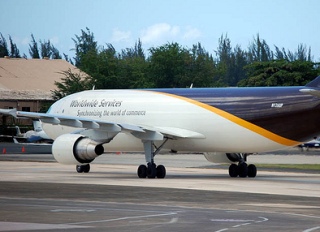
In addition, current policy focus on high-tech manufacturing will support growth in air services.
Risks to the industry’s advancement are present, however, said Frost & Sullivan. Global uncertainties such as stagnation in the Euro zone and Japan pose a threat to Thailand’s export outlook and could derail transportation and logistics projects.
Possible delays in government spending and failure to invest optimally in logistics infrastructure can hamper freight movement and lower Thailand’s productivity.
Photo: Lokomotive74