
 The four top-ranked global container terminal operators remain the same, but behind-the-scenes changes have caused their combined market share to actually contract, said Drewry.
PSA International, Hutchison Ports, APM Terminals, and DP World remain the biggest global container terminal operators, but their combined share of the global market in 2012 of just over 26 percent was actually less than it was five years ago at 28 percent, according to Drewry’s just published Annual Review of Global Container Terminal Operators.
Drewry cites several factors for this territorial loss, including the continued profitability of container terminal operations. “The 2012 financial results of the main players showed another year of healthy profit margins, and there are now plenty of other operators and investors fighting for a piece of this action.”
Outside of the top four, Cosco Pacific, China Shipping Terminal Development, and Terminal Investment Limited (TIL) have been growing rapidly. In addition, several players not categorized as global or international terminal operators are growing fast and expanding overseas. These include China Merchants Holdings International, Gulftainer, Bolloré, and Yildirim. Others, such as GPI, SAAM Ports, Ultramar and Ports America, are also making selected expansions, or are seeking to acquire.
Another reason is that the big players are more willing now to dispose of mature assets as they are to acquire new ones. “They have adopted a portfolio management approach which is in contrast to the early days of the international terminals industry when it was almost a case of acquiring any asset, any place,” said Drewry. It noted how in the last few years, DP World and PSA have sold assets in Hong Kong, Australia, and the UK.
At the same time, there is a clear focus on growth opportunities in emerging markets by expanding global and international terminal operators.
A third factor is that major shipping lines have been selling stakes in terminals to raise cash while usually retaining majority control. Buyers have tended to be financial or emerging players rather than the big four terminal operators—perhaps because it is minority rather than majority stakes that are up for grabs.
“It seems inevitable, given the financial pressures being experienced by a number of carriers, that there will be more disposals soon,” Drewry predicts.
“Behind the headlines of the league table rankings there is considerable change taking place both by pure terminal operators and in carrier-backed terminal portfolios,” it continued. “Competition for owning assets in the sector will remain strong, so when carriers are inevitably forced to sell more assets there will be no shortage of interest.”
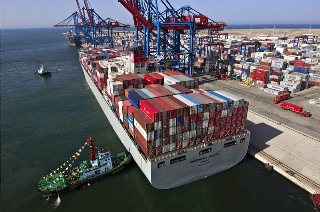
Photo: APM Terminals