 The Malaysian economy grew 5.6% in the first quarter of 2015 following a growth of 5.7% in the fourth quarter of 2014, with expansion underpinned mainly by private sector demand as exports weakened.
Bank Negara Malaysia, the country’s central bank, said gross exports contracted by 2.5% in Q1 from a 0.5% expansion in the fourth quarter a year ago, reflecting a decline in commodity exports and resource-based manufactured exports amid lower commodity prices. Gross imports moderated to a marginal growth of 0.2% from 4.6% quarter-on-quarter. The trade surplus amounted to RM21.3 billion in the first quarter of 2015 from the preceding quarter’s RM21.5 billion.
Private sector activity remained the key driver of growth during the quarter. Private consumption expanded at a stronger pace of 8.8% from the fourth quarter 2014 rate of 7.6%, supported by stable labor market conditions and higher wage growth, flood relief efforts early in the year, and greater household spending prior to the implementation of the consumption tax called the Goods and Services Tax (GST).
Private investment rose 11.7% against 11.1% in the fourth quarter of 2014, coming largely from the manufacturing and services sectors. Public consumption improved in the first quarter to 4.1% from 2.5% quarter-on-quarter due to higher growth in supplies and services amid moderate growth in wages.
Public investment turned around to register a positive growth of 0.5% against a deceleration of 1.9% quarter-on-quarter following higher capital spending by the federal government.
On the supply side, growth in the first quarter was supported by the major economic sectors. The services sector was boosted by growth in all subsectors, particularly those in consumption-related activity. Growth in manufacturing was supported by stronger performance in the export-oriented industries, particularly the electronics and electrical cluster.
The construction sector was supported mainly by the non-residential and residential sub-sectors, while the mining sector continued to record stronger growth amid higher crude oil production. Meanwhile, the agriculture sector contracted as a result of lower palm oil production arising from flood-related disruptions.
GDP growth is projected to cool down to 4.5% to 5.5% this year from an earlier forecast of up to 6%, as the government lowered expectations and slashed expenditure amid lower expected revenue from oil.
But Bank Negara Malaysia sees the national economy remaining on “a steady growth path.” “Domestic demand will remain the key driver of growth amid the lower oil prices. Investment activity is projected to remain resilient, with continued capital spending by both the private and public sectors.”
It added that while private consumption is expected to moderate as households adjust to the GST, the steady rise in income and stable labor market will support household spending.
“The recovery in global growth while remaining moderate, will provide support to manufactured exports, although lower commodity prices will likely weigh down on overall exports,” it said.
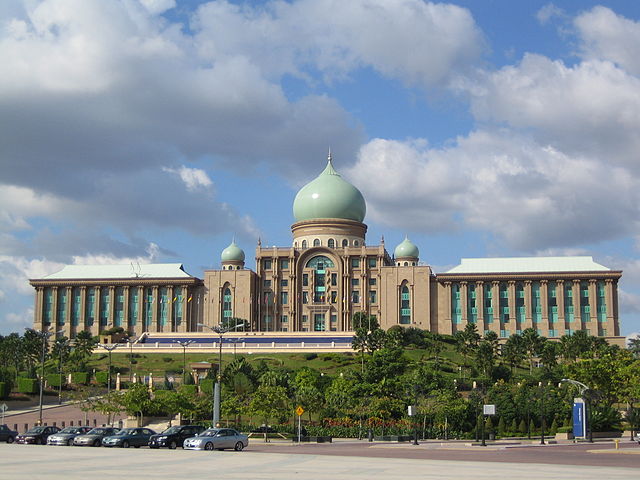
Photo: Jaseman