 The global surge affecting airfreight volumes receded in September 2017, with year-over-year figures falling to 6.8%, down from 10.5% in August of the same year, according to the latest data from Airports Council International (ACI).
Passenger traffic also slowed down slightly, dropping 1.6 percentage points from August to 5.1%. Following a particularly good summer period, year-to-date numbers for both markets remained high, at 8.4% and 6.5%, respectively.
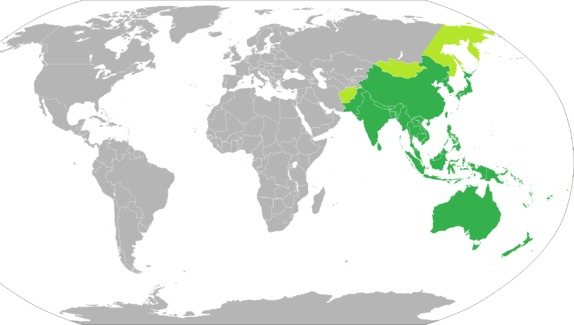
Most regions posted robust freight volume figures in September despite a slowdown from the previous month’s double-digit growth. Africa led the group with a growth rate of 16.2% year-over-year. Asia-Pacific, Europe, and the Middle East also posted considerable increases, with 9.4%, 8%, and 7.3% growth rates, respectively.
North America and Latin America-Caribbean’s freight markets weathered the hurricane season better than their passenger markets, although growth was more subdued. Both regions’ year-over-year growth rates reached 2.9% and 1.6% respectively, down from 10.1% and 9.1% in August. The resulting year-to-date figures stood at 4.6% and 6.5%, respectively, suggesting that end-of-year results should remain robust.
Meanwhile, ACI said Europe’s sustained growth in passenger traffic continued through the third quarter of 2017, seemingly unaffected by the geopolitical tensions in the Middle East. The region’s year-over-year growth reached 8.9% in September, nearly double the global rate and closely tracking its 9.3% year-to-date growth.
Asia-Pacific and Africa also benefited from robust numbers, reaching 7.3% and 6.6% year-over-year, respectively. Latin America-Caribbean achieved moderate growth of 3.2%. The Middle East and North America trailed behind, with declines of 0.8% and 1.5%, respectively.
Airports in the Caribbean region and North America were affected by the year’s particularly violent hurricane season, with airports located in Puerto Rico and Miami posting significant year-over-year declines (-34.4% and -21.9%, respectively). September year-to-date figures for both Latin America-Caribbean and North America remained positive, though lower than other regions, with respective 4.5% and 3.1% growth rates.
The continuing blockade against Qatar also had a considerable impact in September, with Doha passenger traffic declining by 18.3% year-over-year, more than 5 percentage points lower than August. The September decline pushed the airport’s year-to-date figures to negative territory, reaching -1.6%.
Photo: Ramesh NG